culture as a learning input
Making architectural and material knowledge visible through storytelling
Kabakoo’s Dôgôkun Sôrô tells stories of African architectural and material knowledge, while artisan portraits and learner accounts bring craft expertise and relationships to culture into view.
Kabakoo’s Dôgôkun Sôrô makes African architectural and material knowledge the subject of digital storytelling. Its feature on the Royal Palaces of Abomey in Benin attracted over 200,000 views on TikTok; its edition on the architecture of Mali’s Hombori Region reached more than 622,000 views.
1. Start with a place and its architecture
Dôgôkun Sôrô means “treasure of the week” in Bambara. Each edition begins with a place showcasing endogenous architecture. The initiative is dedicated to African architectural and material knowledge: Abomey and Hombori are specific examples of that focus. Kabakoo describes the series in its January 2026 monthly update, alongside its storytelling work with artisans and learners.
2. Give craft expertise a public presence
Samaou Touré, a master weaver from Gao, traveled to Bamako for the first time in her 60+ years to join a Kabakoo residency. Her story, published as a Facebook post, gathered organically more than 765k impressions and 7.9k interactions. Stories featuring Kassim Barry’s pottery-making techniques and Ousmane Diallo’s textile weaving processes each reached organically over 100,000 views. These figures describe the reach of stories about specific craftspeople and their practices.
3. Examine how learners speak about culture and possibility
In an analysis of 504 learner portfolio entries, Kabakoo found systematic differences in how learners engaging with storytelling tasks discussed their futures, capabilities, and relationship to cultural knowledge. The “storytelling cluster” showed cultural vocabulary at 100%, creativity vocabulary at 64%, and future-oriented language. These are associations in learners’ discourse, not evidence that storytelling alone caused a change in capability.
4. Hear an individual account of cultural pride
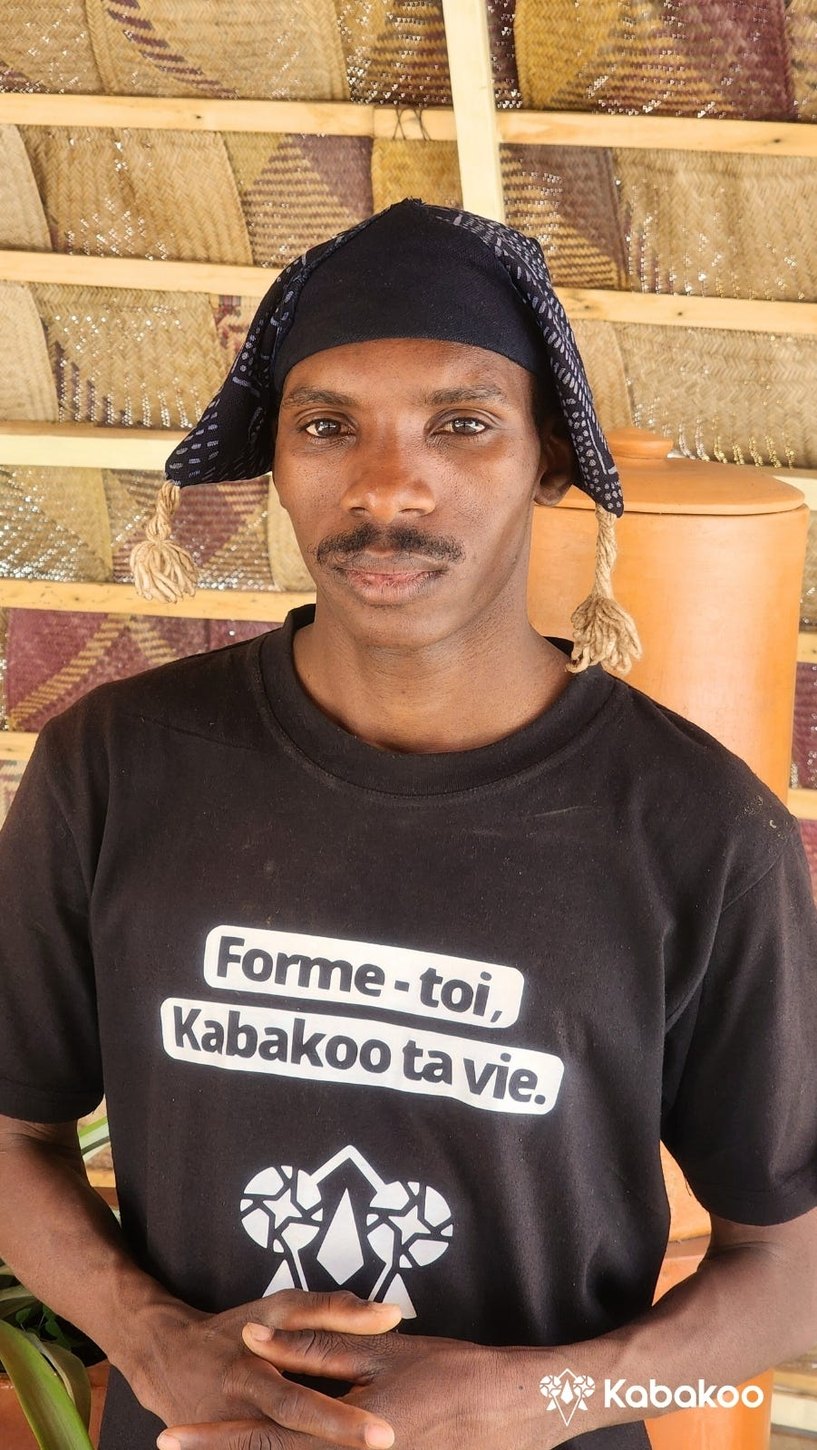
Amadou T., Kabakoo’s Highdigenous Project Manager from Birga-Dogon in central Mali, joined the Regenerative Architecture program. He described a transformation through Kabakoo’s mindset and visualization modules, and a changed relationship to wearing local attire, including his Dogon cap. His account makes that personal shift explicit: “I used to be ashamed of wearing our local attires, but my perception changed with Kabakoo. Today, I wear them with pride.”